2022
(Summary)
Before Dtravel could design anything, we needed to understand who our early adopters actually were. I designed and led the research program that answered that question — running a large-scale survey, conducting 50+ in-depth interviews, and synthesizing the findings into a 'True Believer' persona and three core opportunity areas that directly shaped Dtravel's 2022 product roadmap and Host Beta Program.

Dtravel
Global
DTravel explores how decentralized technology and incentive design can transform peer-to-peer travel marketplaces, shifting control and value from platforms back to users.
(Problem Framing)
You can't design for users you don't understand
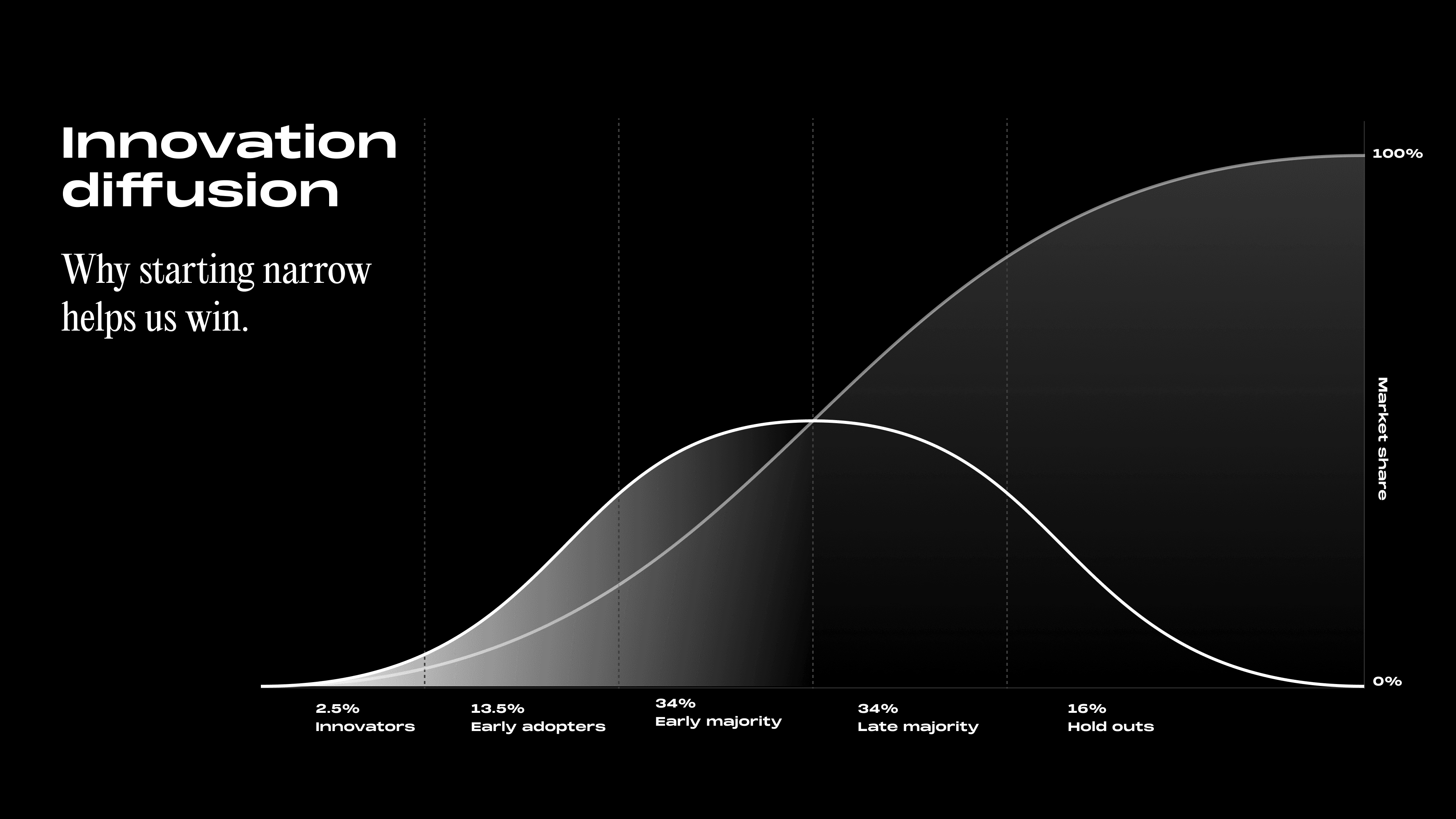
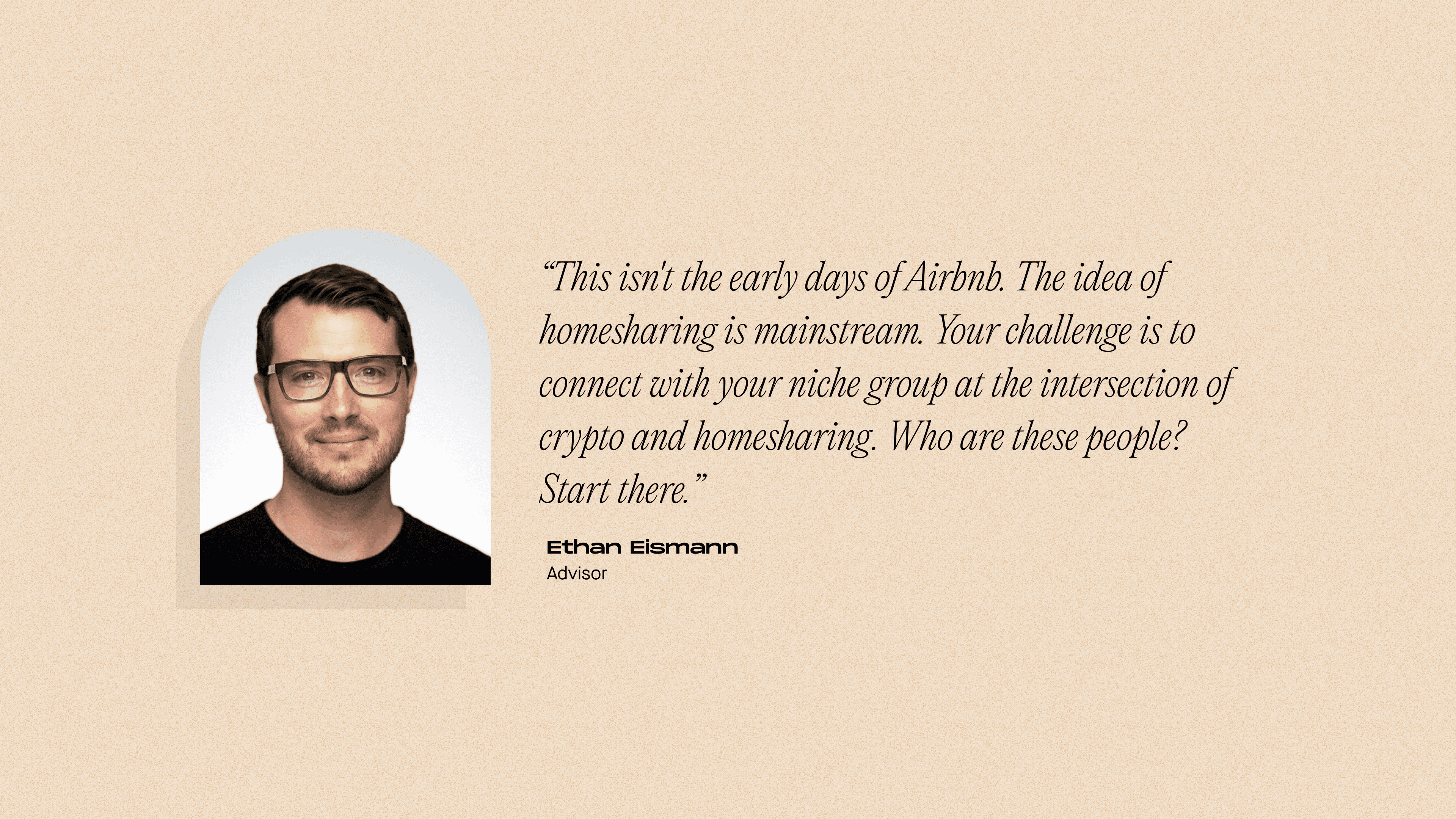
Dtravel was entering a market with two massive unknowns: (1) Would mainstream travel hosts embrace Web3 concepts like DAOs, token governance, and crypto payments? (2) Who were the early adopters who would — and what did they actually need?
Without answers, any product decision was a guess. We needed to find our 'True Believers' — the hosts who believed in Web3-powered travel deeply enough to join an unproven platform — and understand exactly what problems they needed solved.
No existing user data — Dtravel was pre-launch, so all assumptions were untested
Web3 was new to most hosts — even enthusiastic users had limited blockchain literacy
High stakes — research findings would directly shape a multi-month product roadmap
(Role & Team)
What I owned
I led the entire research initiative as the embedded product designer on the Dtravel team. This included:
Designing the research methodology — choosing survey vs. interview approaches and sequencing
Embedding a screener survey into the host signup flow to capture responses at the highest-intent moment
Synthesizing thousands of survey responses into patterns and hypotheses
Personally conducting and moderating 50+ one-on-one video interviews with host candidates
Translating findings into a persona, a set of validated pain points, and product opportunity areas
Presenting findings to the product and leadership team to inform 2022 strategic planning
(Approach)
Two-phase: listen broadly, then go deep
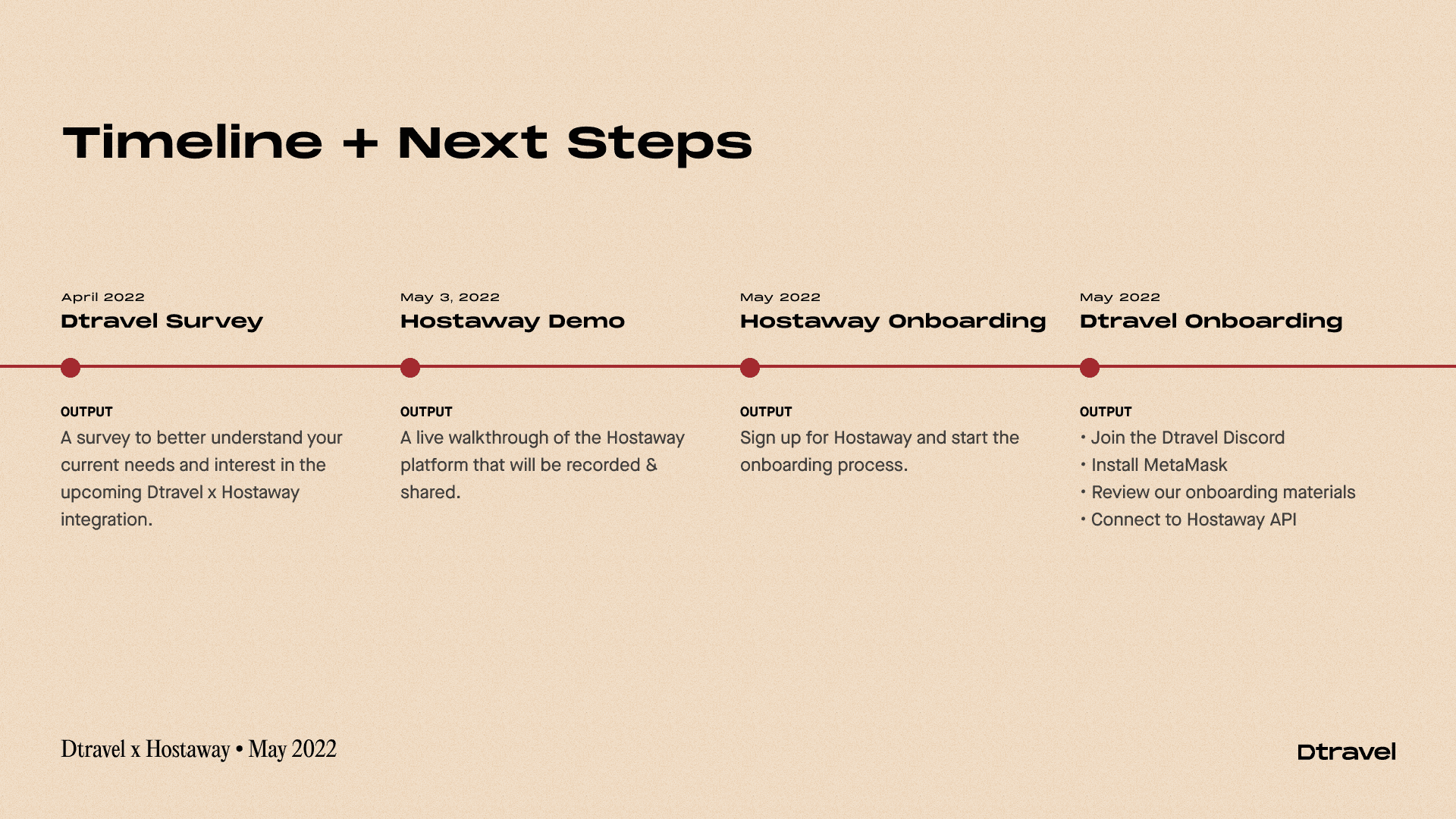
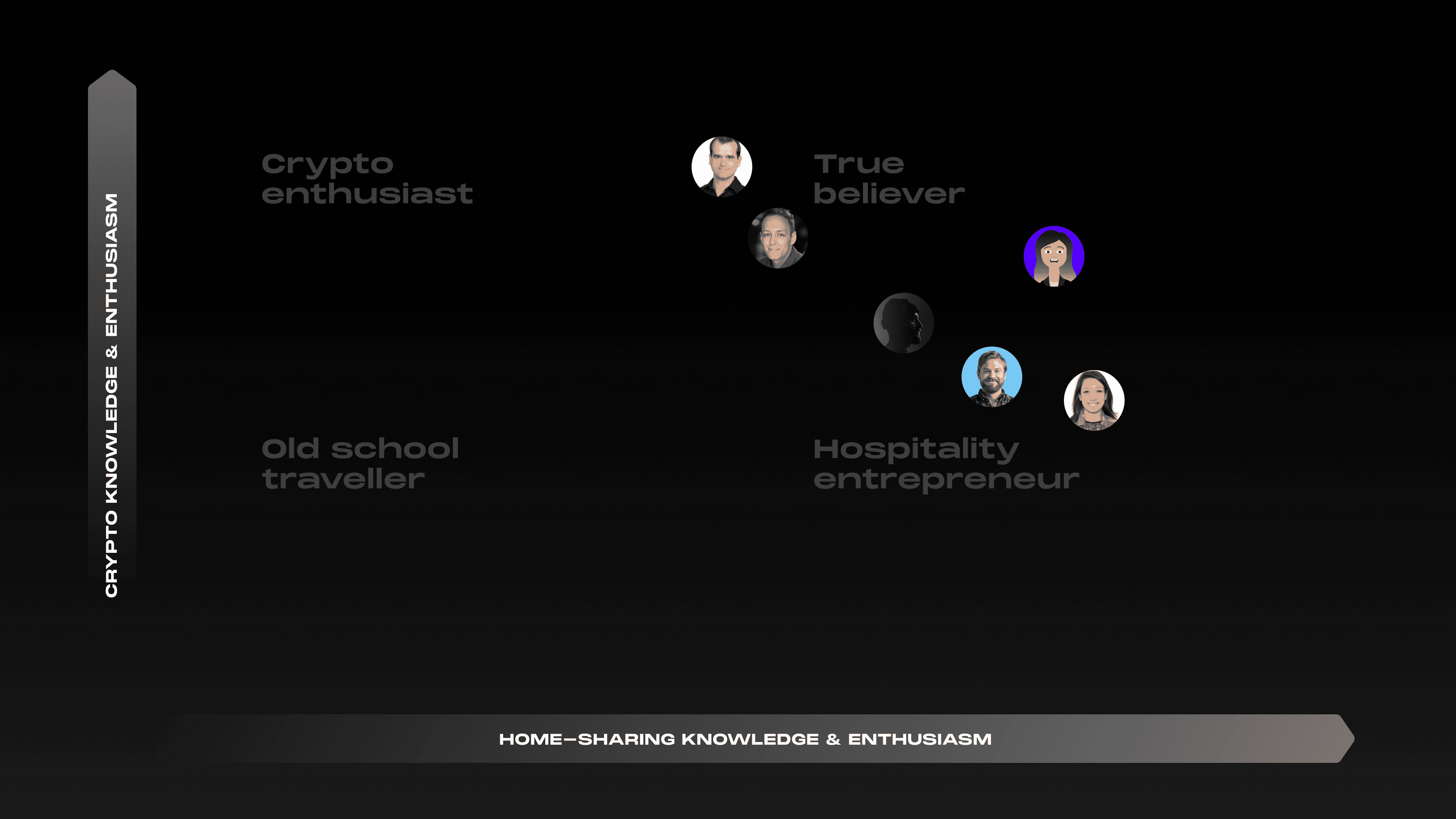
Phase 1 — Survey: I embedded a structured survey into the host signup flow to capture data from the highest-intent users. The survey covered Web3 familiarity, hosting experience, platform frustrations, and motivation to join Dtravel. After synthesizing thousands of responses, four clear patterns emerged.
Phase 2 — Interviews: I recruited hosts from the survey and conducted 50+ one-on-one video interviews to go deeper on motivations, pain points, and mental models. I used a semi-structured guide to keep conversations focused while leaving room for unexpected insights.
The combination of breadth (survey) and depth (interviews) gave us both statistical confidence and the nuanced human stories needed to build a persona that the whole team could empathize with.
(Challenges)
Getting honest answers about a product that didn't exist yet
The hardest part of this research wasn't the volume — it was the context. We were interviewing hosts about a product that was still being built. People had to project their needs onto something hypothetical, which can produce idealized rather than honest responses.
I addressed this by anchoring every interview in current pain points with existing platforms (Airbnb, Booking.com) rather than asking directly about Dtravel. This produced much more honest, grounded data — and the Dtravel vision emerged naturally as the solution to their real frustrations.
(Solutions)
The True Believer persona + three opportunity areas
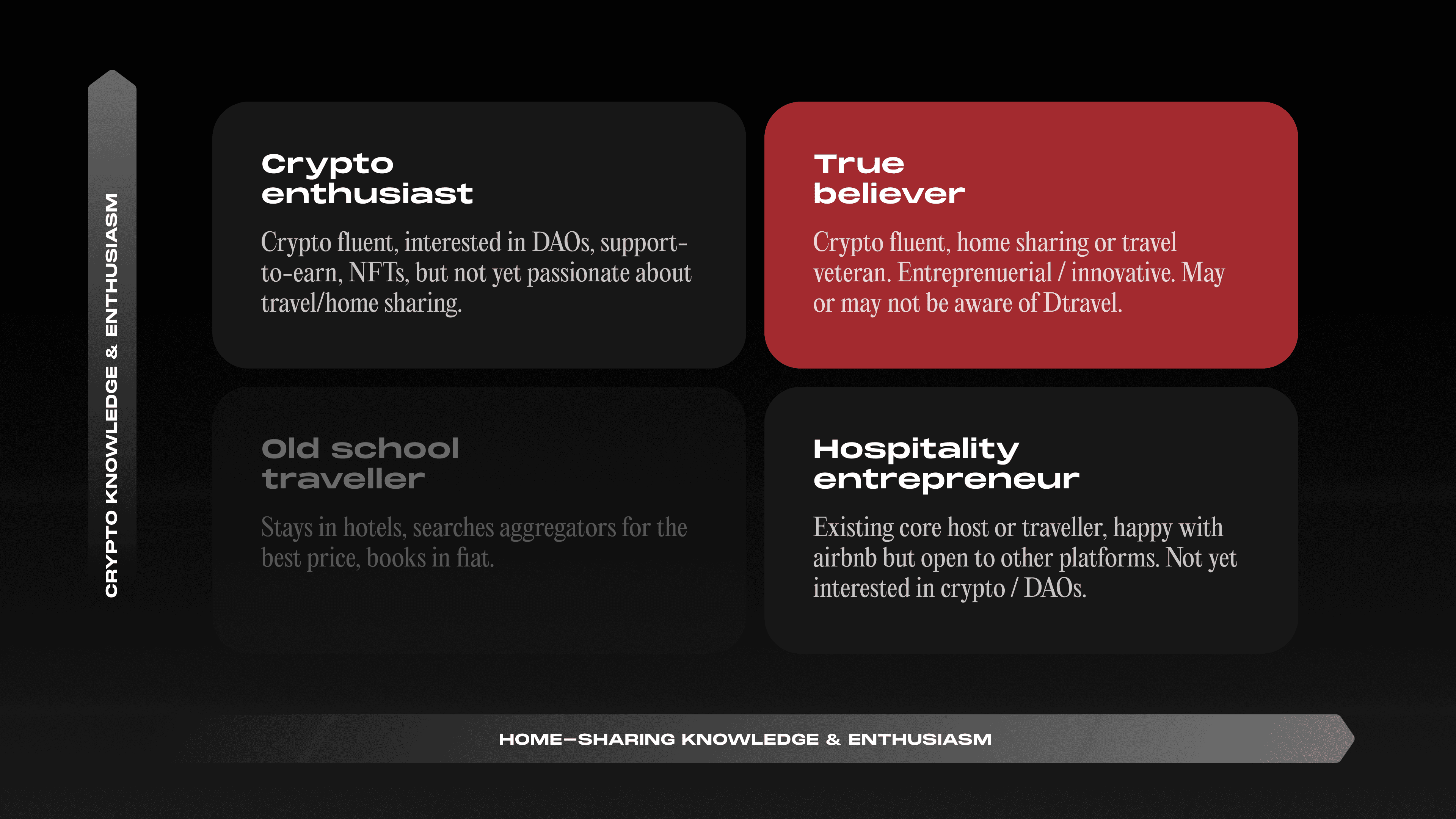
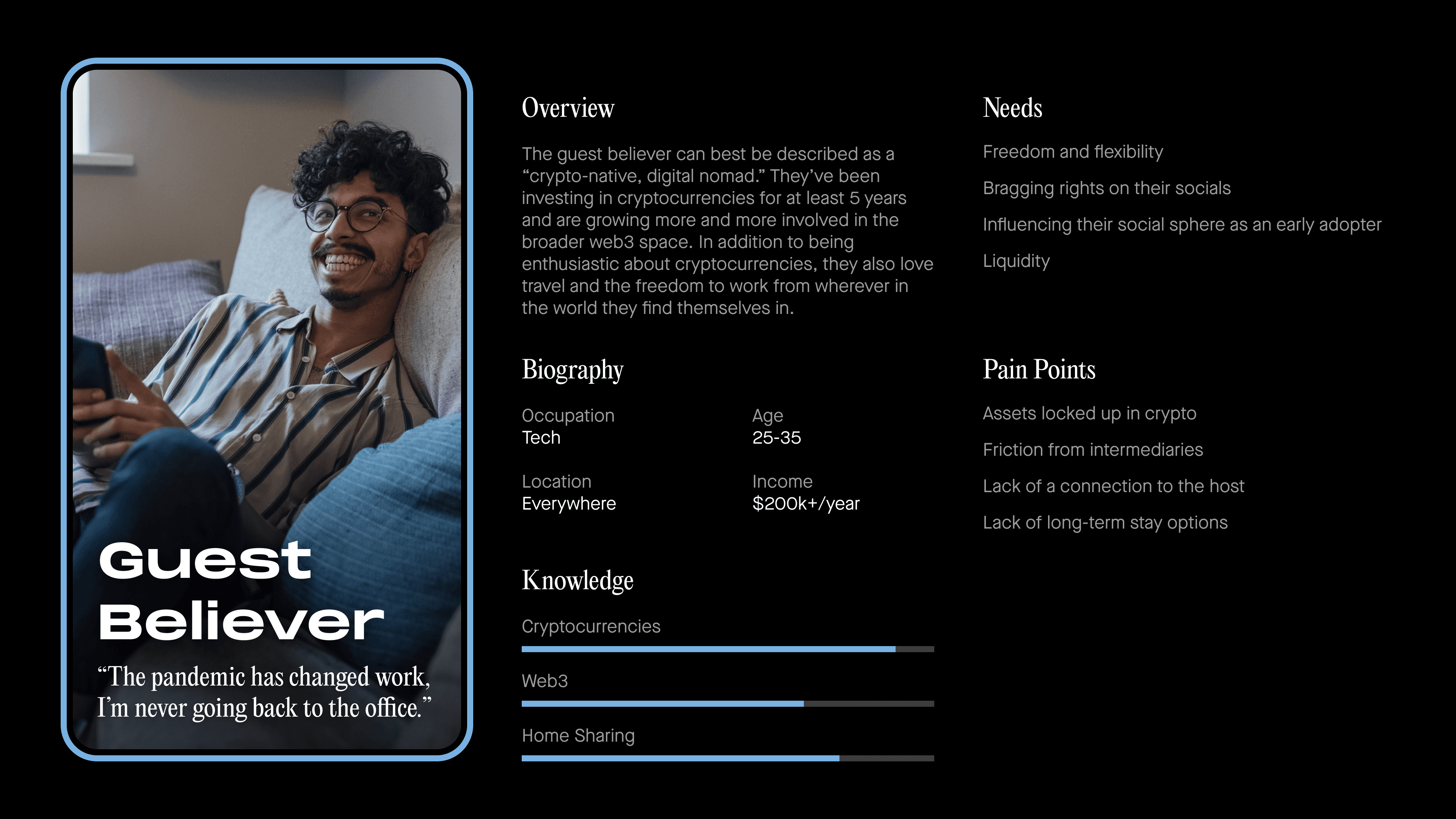
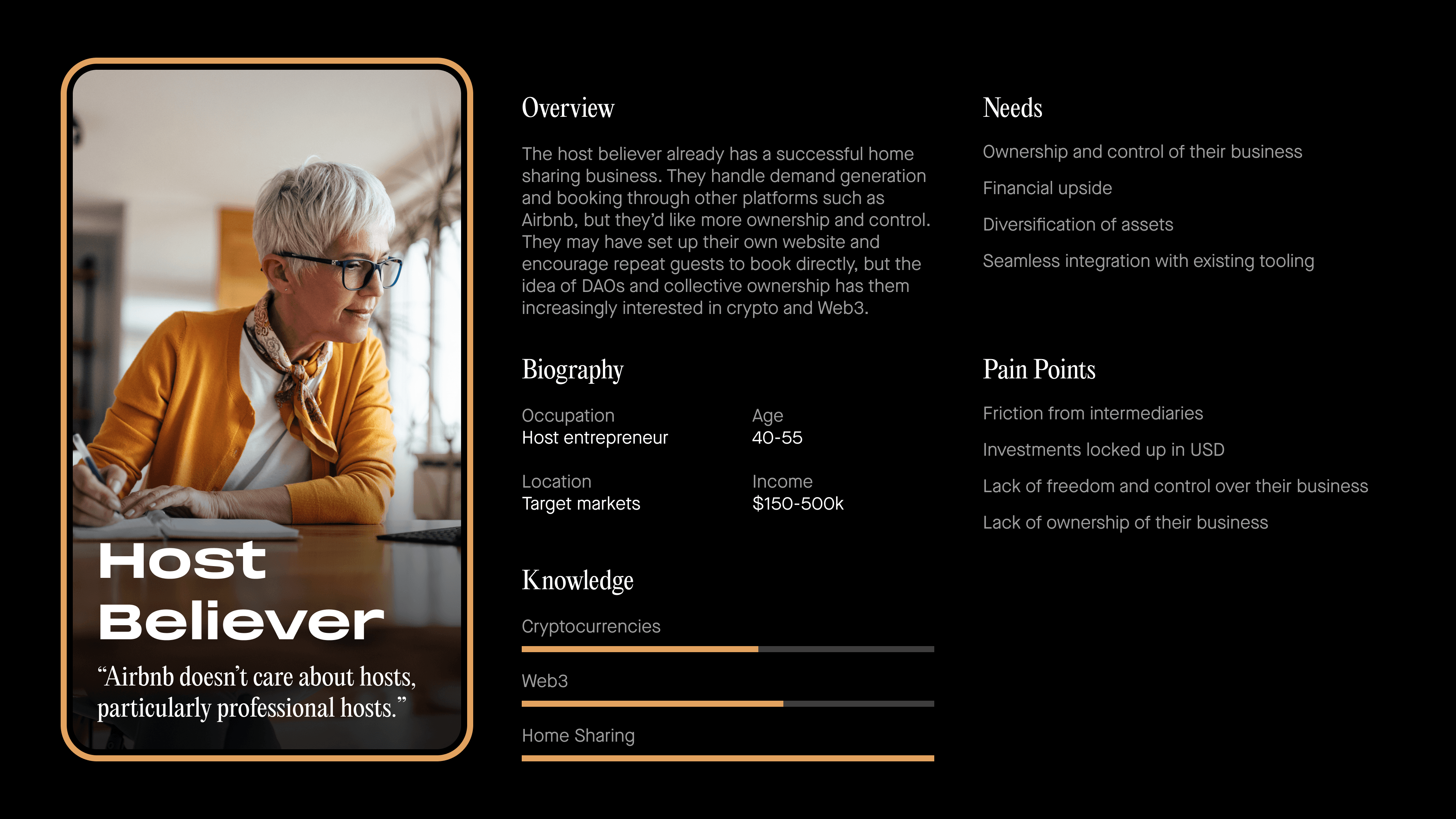
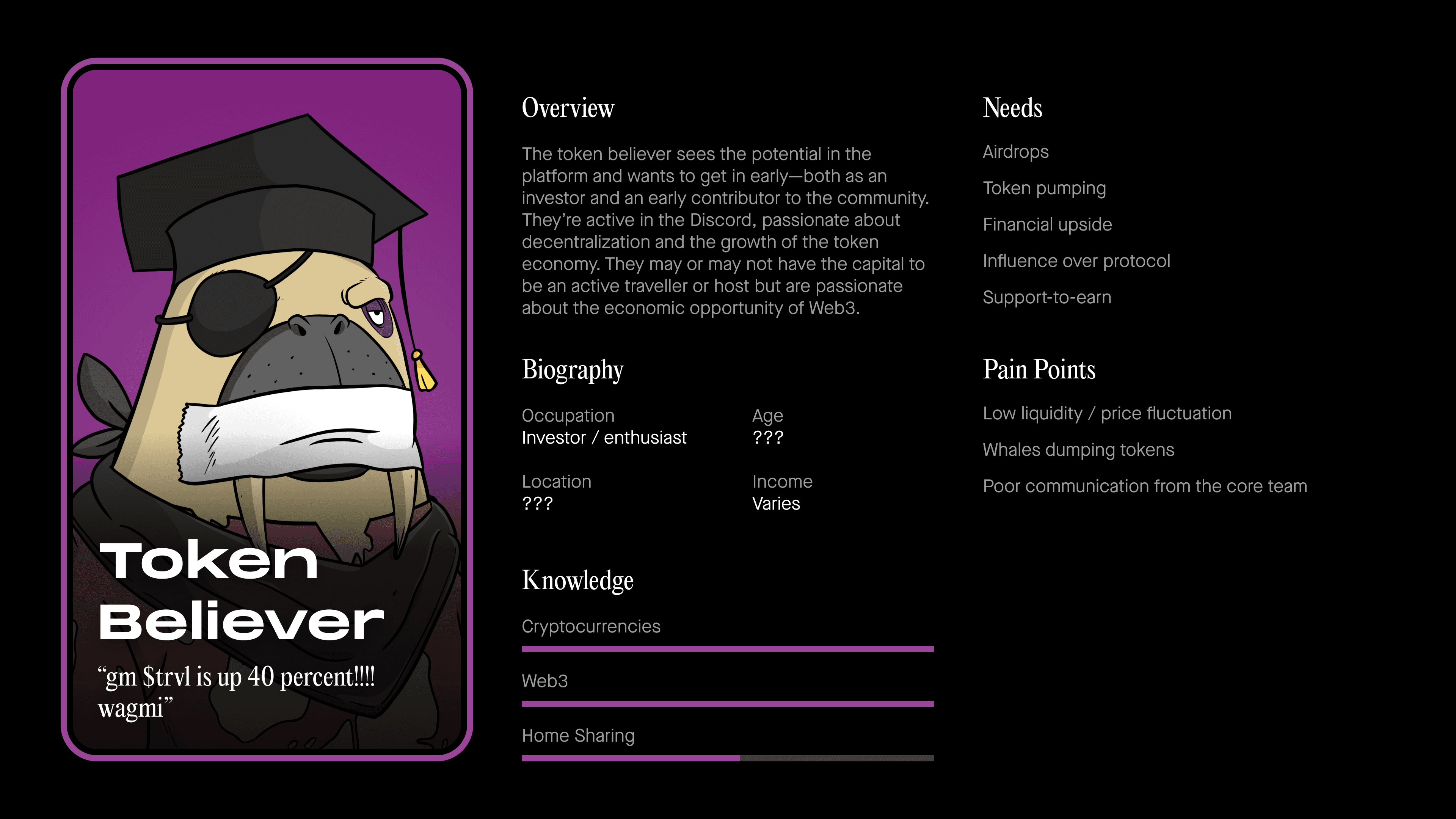
The research produced a 'True Believer' host persona — a professional host with multiple properties, deep frustration with existing platforms' fee structures and governance, and a genuine belief in community ownership. This persona became the design north star for Dtravel's first year.
Three opportunity areas emerged directly from the research:
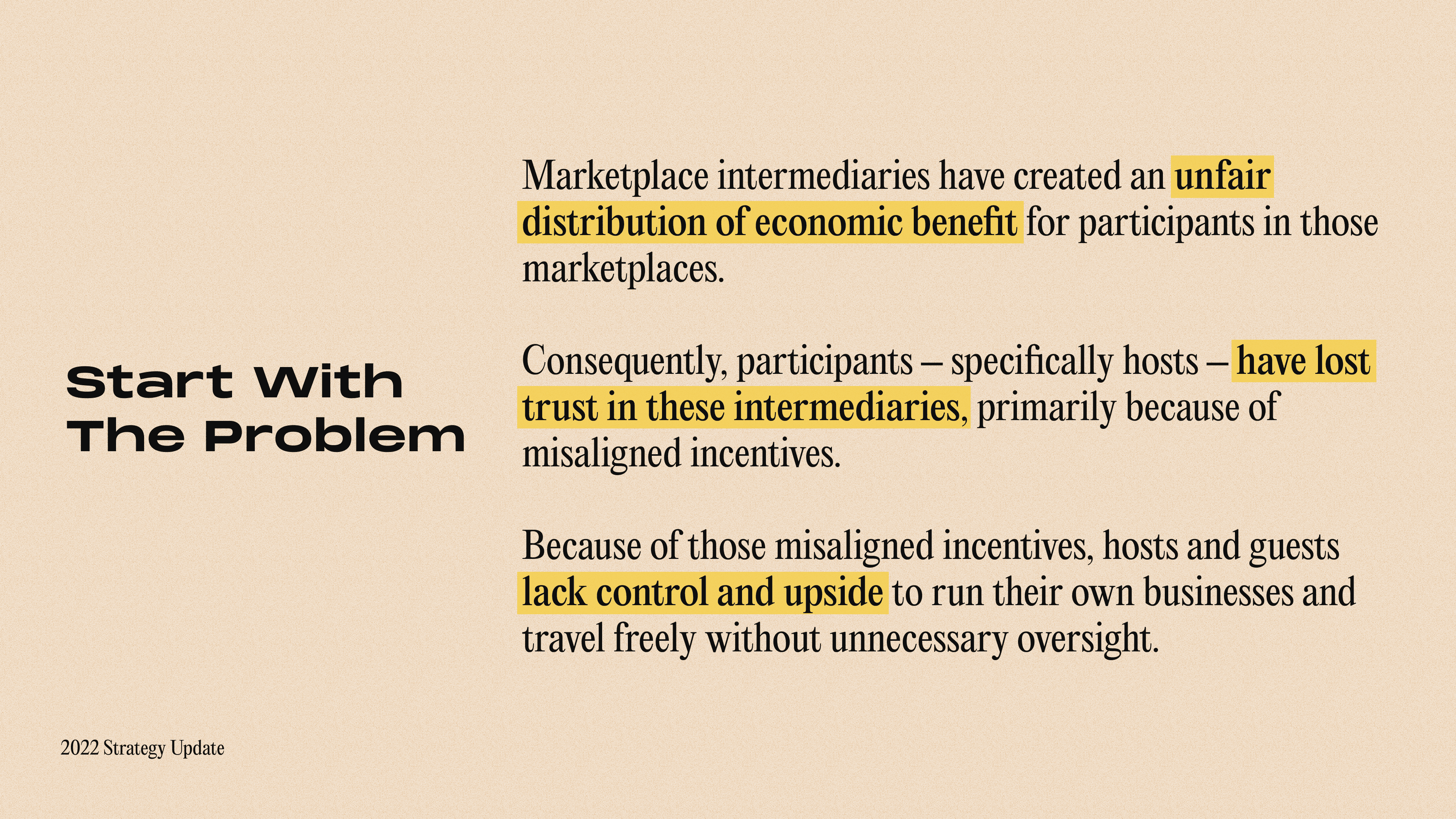
Host control: Hosts felt disempowered by platform intermediaries. Dtravel's governance model was a direct answer — design the DAO participation experience to be real, not cosmetic
Economic fairness: Lower fees alone weren't enough. Hosts wanted upside — token rewards, treasury participation, and a stake in the platform's success
Community: Hosts wanted to belong to something. The product needed to feel like a movement, not just a marketplace
These three areas shaped the Host Beta Program structure, the feature prioritization for 2022, and the framing of Dtravel's entire value proposition.
(Results & Impact)
✅ Research findings directly shaped Dtravel's 2022 product roadmap — governance, rewards, and community features were all prioritized based on interview data
✅ The 'True Believer' persona became a shared reference point across product, engineering, and marketing — reducing misalignment on who we were building for
✅ Host Beta Program structure was designed around research insights — starting with a small, highly engaged cohort and expanding iteratively
✅ Validated that Web3 complexity was a solvable onboarding problem, not a fundamental barrier — given the right framing and progressive introduction

(Next Step)
This research established a model for community-based product development in Web3 — treating token holders not as users to be studied but as partners to be involved. The next evolution was embedding ongoing research loops into the community itself, using DAO governance proposals as a form of participatory design.